


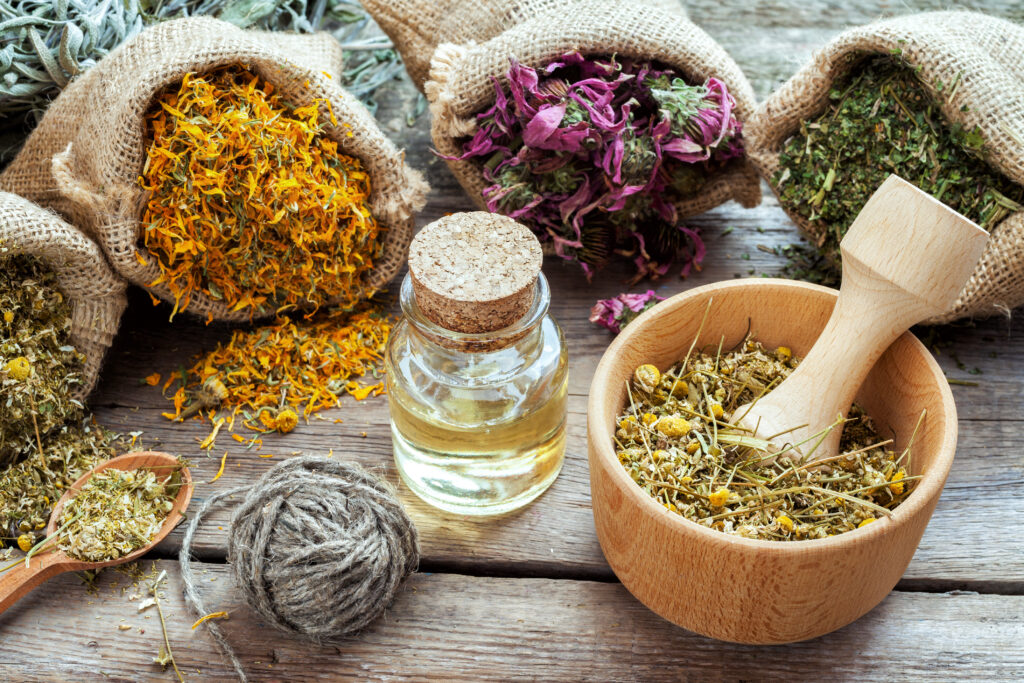
Herbs have always been a cornerstone of culinary tradition, but today they’re stepping into the spotlight as consumers crave flavors that feel fresh – and offer functional benefits. From classic favorites to emerging varieties, herbs are influencing innovation across categories, and not just for their taste, but for the sense of health and wellness they bring to the table.
Keep reading to get our experts’ takes on some of the most sought-after herbs, which categories they’re showing growth, how they pair with other ingredients, and why consumers are increasingly drawn to their potential health benefits.
Herbs on the Rise
 Basil, rosemary, thyme, and oregano remain timeless staples, but they’re finding new life in modern applications. Mint, parsley, and cilantro continue to dominate savory spaces, while trending herbs like dill, sage, and tarragon are gaining traction in snacks and prepared meals. These ingredients deliver more than flavor; they evoke a connection to nature that resonates with today’s health-conscious consumer.
Beyond their culinary appeal, herbs are increasingly viewed as versatile tools for creating products that feel premium and authentic. Indeed, infusing herbs into everyday products is an easy way to innovate around the sophisticated ingredient trend. Not only that, but their ability to signal “better-for-you” qualities makes them a natural fit for brands looking to align with wellness-driven trends.
Where They’re Most Popular
Herbs shine in sauces, marinades, and seasonings, but the possibilities don’t stop there. They’re starting to make appearances in a wider range of products, including snacks, plant-based proteins, and even beverages. Herbs happen to be incredibly versatile, meaning that the sky’s the limit when it comes to innovation. Think Thai basil tofu, rosemary parmesan popcorn, or mint blueberry lemonade.
In frozen meals and ready-to-eat options, herbs add depth and complexity without relying on artificial flavors, making them a go-to for brands focused on clean-label innovation. Herbs also play a role in elevating everyday staples, like breads, crackers, and dips, by adding a layer of refinement that appeals to adventurous eaters.
Emerging Applications
In the coming year, expect to see herbs in unexpected places like dairy alternatives, functional snacks, and even desserts. For example, mint and basil are appearing in frozen treats, while rosemary and thyme are making their way into crackers and granola blends. Herbs are also being incorporated into protein bars and energy bites, offering a flavor boost alongside perceived wellness benefits. Looking ahead, brands may experiment with herb-infused oils, plant-based spreads, and even herbal accents in confectionery to create products that feel indulgent yet health-forward.
Pairing Possibilities
 Herbs pair beautifully with mainstream flavors, creating combinations that feel both familiar and exciting. For example, basil pairs well with tomato or strawberry, while rosemary is well-suited for combining with lemon. These pairings allow brands to balance comfort with creativity, appealing to consumers who want something new without straying too far from what they know and love. In addition, herbs complement global flavor profiles, making them ideal for fusion concepts that combine traditional tastes with modern twists.
Flavor Meets Function
Consumers aren’t just drawn to herbs for their taste; they’re interested in the potential health benefits these ingredients offer. Mint is associated with digestive health, rosemary with antioxidants, and basil with anti-inflammatory properties. As shoppers increasingly seek foods that support wellness goals, they’ll be looking to herbs to deliver on both flavor and function, making these ingredients a powerful tool for innovation. This dual appeal positions herbs as a key ingredient for brands looking to meet consumer demand for products that taste good and do good for their physical and mental well-being.
Herbs are more than a garnish; they’re a growing force in flavor trends and wellness-driven products. As consumers continue to prioritize natural ingredients and holistic health, expect herbs to play an even bigger role in shaping what’s next.
Interested in gaining insights into emerging flavor trends? Subscribe to our e-newsletter for the latest updates from our experts.