


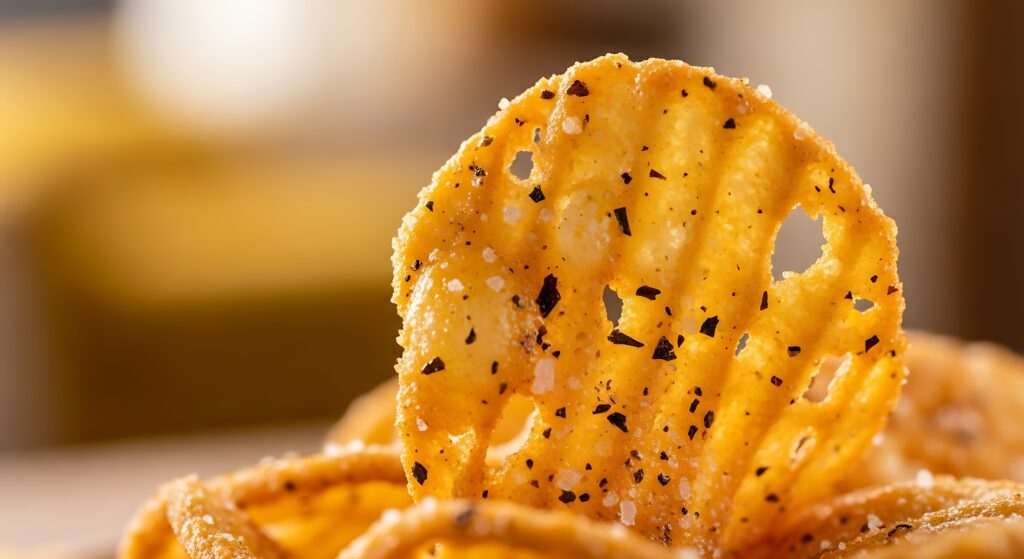
In this blog, Senior Food Scientist Alyssa Chircus explores the often-overlooked role of particle size in seasoning development and how it can dramatically influence product performance. Drawing on her expertise, she explains how adjusting grind and cut impacts everything from adhesion and visual appeal to flavor delivery and longevity. By taking a closer look at this critical component of seasoning development, Alyssa highlights how thoughtful particle size selection can elevate a blend to create a more dynamic, multi-sensory eating experience.
Seasonings provide more than just flavor; they offer a full sensory experience. Every blend delivers a combination of taste, texture, mouthfeel, and visual appeal, all working in tandem to shape consumers’ perceptions.
When developing a seasoning system, key considerations include end application, usage rate, and the existing flavor and visual cues of the base product. All of these help guide how each component in the seasoning performs. While all formulation tools are important to the quality of the end product, particle size stands out as one of the most impactful.
Considering particle size throughout the product development process allows us to achieve multiple objectives at once: ensuring the seasoning adheres effectively to the product, creating a compelling visual presence, and layering flavors that extend and enhance the overall eating experience.
Designing for Adhesion
One of the primary functions of particle size is ensuring proper adhesion to the product. Surface area plays a key role in this equation. Smooth bases with low surface area, like flat chips, typically require finer particles to achieve even coverage and consistent flavor pickup during application. Using larger, pantry-style ingredients, such as standard table salt or sugar, can lead to poor adhesion, uneven seasoning distribution, and increased waste. On the other hand, products with more texture or surface variation can accommodate slightly larger granulations, offering more flexibility without sacrificing performance.
 Creating Visual Impact
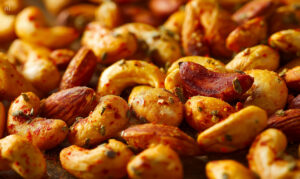
Beyond functionality, particle size also enhances visual appeal and helps communicate flavor expectations. Ingredients like parsley and other leafy herbs are commonly used to signal familiar profiles such as sour cream and onion or garlic herb. The size and inclusion rate of these particulates can dramatically shift how a product is perceived. Larger cuts used sparingly create a more delicate, “sprinkled” appearance, while finer cuts at higher usage levels result in a more evenly distributed, vibrant look. These visual cues can influence perceived flavor intensity, making particle size a critical tool in storytelling.
Layering Flavor Over Time
Particle size also plays a significant role in how flavor develops throughout the eating experience. By incorporating multiple granulations of key taste components, such as acid, salt, sweet, and umami, seasonings can deliver flavor in stages. Finer particles tend to provide an immediate impact, while larger granules dissolve more slowly, extending the flavor experience and adding complexity. This layered approach is especially effective when building profiles inspired by complete dishes, such as buffalo chicken, where bright acidity, heat, and savory notes unfold sequentially from first bite to aftertaste.
Small Detail, Big Impact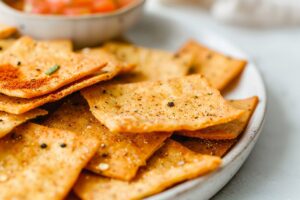
While particle size is just one piece of the seasoning development process, it delivers a meaningful impact. Thoughtfully optimizing grind and cut improves adhesion, enhances visual appeal, and creates more dynamic, long-lasting flavor experiences. It’s these subtle yet strategic adjustments that transform seasonings into truly differentiated, multi-sensory solutions.
Interested in learning how to use seasonings to make your products truly irresistible? Contact us today to request a training session from our experts!