


In this blog, food scientist Karlee Roberson breaks down some of the recent regulatory changes related to artificial colors and how brands are implementing changes to their formulations to meet evolving consumer preferences. Keep reading to learn about how Fuchs is navigating these changes and about our capabilities with natural coloring.
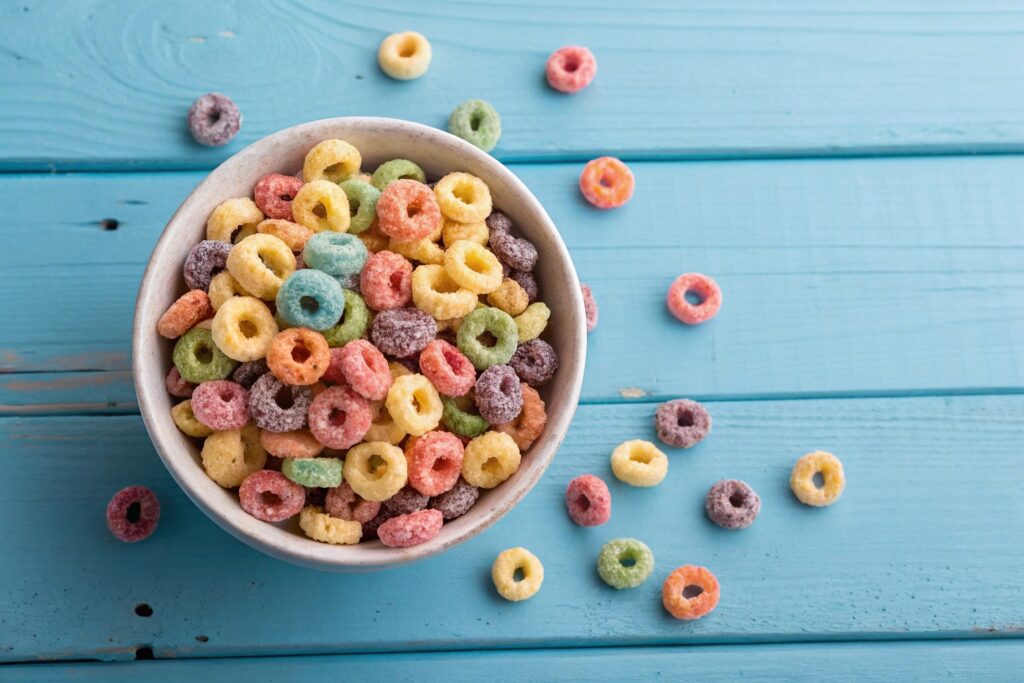
Consumers have grown accustomed to seeing fiery reds, bright blues, and electric yellows in everything from cereal to vitamins. As awareness of health and safety grows, however, the food industry is experiencing a significant shift, removing artificial colors from products. Both consumers and regulatory agencies are increasingly urging manufacturers to eliminate synthetic dyes and lakes. While these vibrant hues are visually appealing, the move toward natural colors reflects a broader trend toward clean labeling and ingredient transparency.
 FDA and State Action on Synthetic Dyes
In April 2025, the FDA announced their plan to phase out eight synthetic dyes in food, including Red 40, Yellow 5 & 6, Blue 1 & 2, Green 3, Citrus Red 2, and Orange B. Artificial dye Red 3 was already banned by the FDA earlier this year for use in food and ingested drugs, giving manufacturers until January 15, 2027 to reformulate food products and January 18, 2028 to reformulate drugs taken orally. More recently, West Virginia passed a law banning seven of the eight dyes listed above. Many other states are also considering legislation restricting artificial food dyes from public school lunches, as well as statewide bans.
Natural Colors Derived from Plant-Based Ingredients
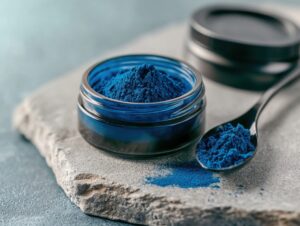
Natural food colors can be derived from plants, minerals, or animal sources. For example, beet juice can replace pink and red dye, turmeric is often used for yellow, and spirulina provides a vibrant blue. These alternatives are more appealing to consumers looking to cut artificial colors and ingredients from their diet. However, replacing synthetic dyes is not as simple as a one-to-one swap. Natural colorants can vary in intensity and may degrade under conditions like heat, light, or pH levels, making formulation a complex challenge.
Many food brands have already made the move to reformulate their products to incorporate these natural alternatives without compromising taste, texture, or shelf life. This process can be complex, requiring research and development to ensure that the new ingredients perform effectively. For example, natural colors might interact differently with other ingredients, or fade over time, especially in processed foods. Having access to advanced food technology and innovation is often needed to test and maintain product quality.
A Global Regulatory Puzzle
 The trend to eliminate artificial dyes and ingredients is long from slowing down. Brands should consider taking proactive action with their products if they currently include artificial colors and ingredients. Removing artificial colors from food poses technical and financial challenges, but it also offers opportunities for innovation and market differentiation. As consumer preferences continue to shift toward natural and transparent ingredients, the food industry will likely see even greater momentum in the transition away from synthetic dyes. Companies that invest in this transition now may gain a competitive edge in a marketplace that values what’s not on the label as much as what is.
In the European Union, there are stricter regulations and labeling requirements that have pushed companies to eliminate synthetic dyes. In contrast, countries like the United States may allow artificial colors, but still face pressure from advocacy groups and market demand. Companies seeking to operate globally must navigate a patchwork of regulations, ensuring that their reformulated products meet the standards of their targeted market. With a global presence and extensive international capabilities, including within the European Union, Fuchs Gruppe has the technology and expertise to formulate without artificial ingredients.
Ready to start reformulating and/or innovating without artificial ingredients? Contact us today!