


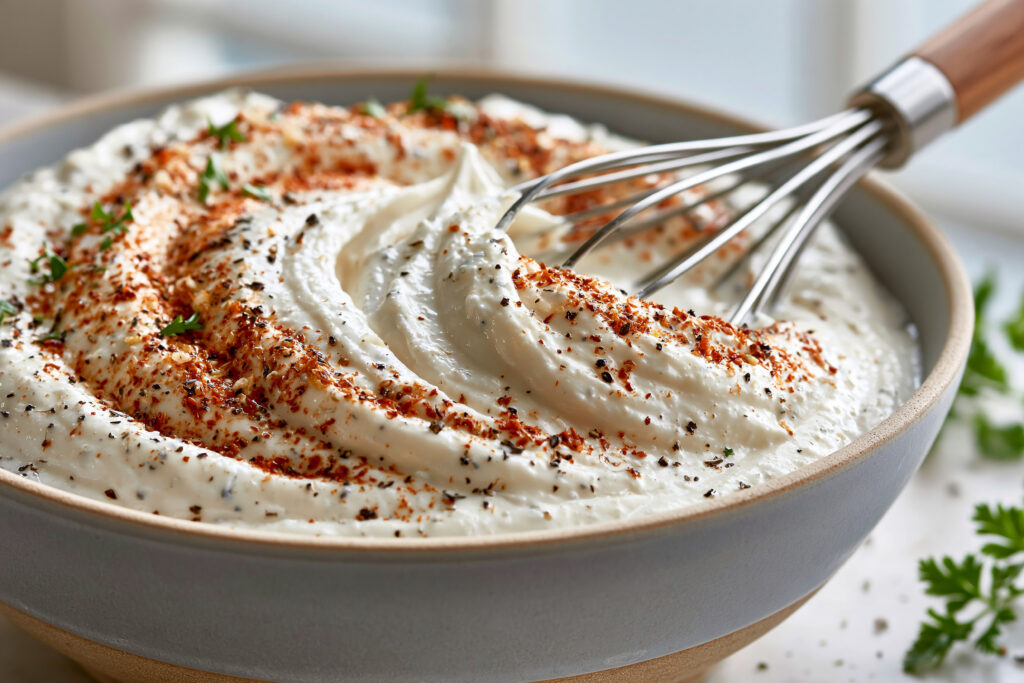
Dairy-based dips may seem simple, but creating a truly craveable product requires a careful balance of sensory and formulation considerations. In this blog, our Corporate Executive Chef, Howard Cantor, explores how dairy systems, flavor layering, texture, and contrast can help create dips that deliver both consumer appeal and consistency.
There is something undeniably compelling about a great dip. Whether it is a cool ranch dip paired with wings, a spicy feta spread served with pita, or a creamy jalapeño dip enjoyed with tortilla chips, the best dips have a way of inviting one more bite.
What makes a dip truly craveable is rarely a single ingredient. It is the interaction of fat, salt, acid, aroma, texture, umami, heat, and flavor intensity, all working together within a dairy base. For product developers, understanding how these sensory elements complement one another is the key to creating a dip consumers return to time and time again.
 It Starts with the Base
Before seasonings and inclusions are considered, the dairy base must first be understood. Sour cream, cream cheese, yogurt, cultured dairy, and blended systems each contribute unique sensory characteristics. Some provide richness and indulgence, while others deliver brightness and acidity. Mouthfeel can range from light and refreshing to thick and coating.
These differences influence flavor perception. A seasoning blend that performs perfectly in sour cream may not taste as pleasing in Greek yogurt, while heat from chili peppers can feel less intense and build more slowly in a high-fat cream cheese compared to a low-fat cream cheese.
For that reason, the first question in dip development should not simply be, “What flavor are we creating?” Instead, it should be, “What experience are we trying to deliver?”
Building Craveability Through Balance
Successful dips are built on balance. Fat contributes richness and carries flavor. Salt enhances savory notes. Acidity brightens the profile and prevents richness from becoming overwhelming. Umami creates depth, while heat adds excitement. Aromatics help establish the first impression before the product even reaches the palate.
Texture is equally important. A dip may be whipped and airy, smooth and velvety, or packed with visible inclusions such as peppers, herbs, and cheese. Each texture creates a different eating experience and influences how flavors are perceived.
The goal is to create harmony between flavor, aroma, and texture so that each element complements the others.
Thinking in Flavor Layers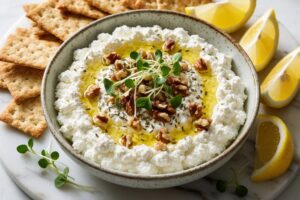
One way that chefs and food scientists approach flavor development is by considering how flavor evolves throughout the eating experience.
For example, a charred jalapeño and cotija cheese dip may begin with creamy dairy and salty cheese, transition into roasted jalapeño and garlic notes, and finish with bright acidity and lingering heat. A hot honey feta dip might start cool and tangy, followed with salty feta notes, before the honey sweetness and chili heat emerge in the finish.
When every flavor arrives at once, a product can feel flat. Layered flavor development creates a more dynamic experience and encourages repeat consumption.
Dairy as a Canvas for Innovation
Dairy-based dips are uniquely suited for flavor innovation because they provide a familiar platform for more adventurous concepts.
Consumers may be hesitant to try an unfamiliar cuisine, but familiar dairy formats can make global flavors more approachable. Concepts such as whipped feta with za’atar and lemon, harissa and roasted garlic yogurt, gochujang and aged cheddar, or caramelized onion and miso all deliver both comfort and exploration in a single bite.
In these applications, the dairy base provides familiarity while the seasoning creates personality.
 Considering the Whole Eating Experience
A dip should never be developed in isolation. The product it is paired with plays a significant role in the final flavor experience.
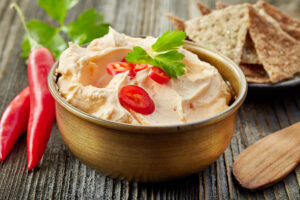
Potato chips contribute salt, fat, and crunch. Tortilla chips bring toasted corn notes. Vegetables add freshness and sweetness. Bread and pita provide grain flavors and carry larger amounts of product.
A dip that tastes perfect from a spoon may perform very differently in its intended application. Evaluating both the dip and the carrier together creates a more accurate understanding of the consumer experience.
From Culinary Gold Standard to Commercial Product
Creating an exceptional dip in the kitchen is only the first step. The culinary gold standard establishes what the product should taste like, while culinary and R&D teams identify the sensory characteristics responsible for that experience.
Questions such as how much acidity should be perceived, when heat should develop, how visible inclusions should be, and what texture delivers the ideal scoopability become the roadmap for formulation.
The challenge is translating that culinary vision into a seasoning system and finished product that delivers consistent flavor, texture, and performance throughout production and shelf life.
The Future of Dairy-Based Dips
Today’s dip category extends far beyond traditional ranch, French onion, and queso. Global cuisines, fermented ingredients, restaurant-inspired flavors, and unexpected sweet-and-savory combinations continue to create new opportunities for innovation. At the same time, texture offers additional differentiation through whipped formats, layered concepts, and inclusion-rich products.
The opportunity is no longer simply to create another dip flavor; it is to create an experience consumers want to repeat.
At its core, that is what craveability means. It is the combination of flavor, aroma, texture, and sensation working together to make consumers reach for another bite before they have finished the first.
Interested in discovering new possibilities for dairy innovation? Contact us today!