


When we think of soup, we traditionally think of hot soups served in cold weather. Allow FNA’s Corporate Executive Chef, Howard Cantor, to expand your horizons by introducing you to cold – yes, cold – soups from around the world.
When most people think of soup, they think of something comforting, warming, and soul-satisfying: that chicken soup (or matzo ball soup in my case) your grandmother made, the bisque you had at that restaurant way back when, maybe even the family tradition of taking the leftover Thanksgiving turkey and making soup out of it. Whatever the case may be, soups are generally thought of as something heavier, rich, warm and served during the cooler months, but today we are going to examine summer soups – warm weather versions and where they come from.
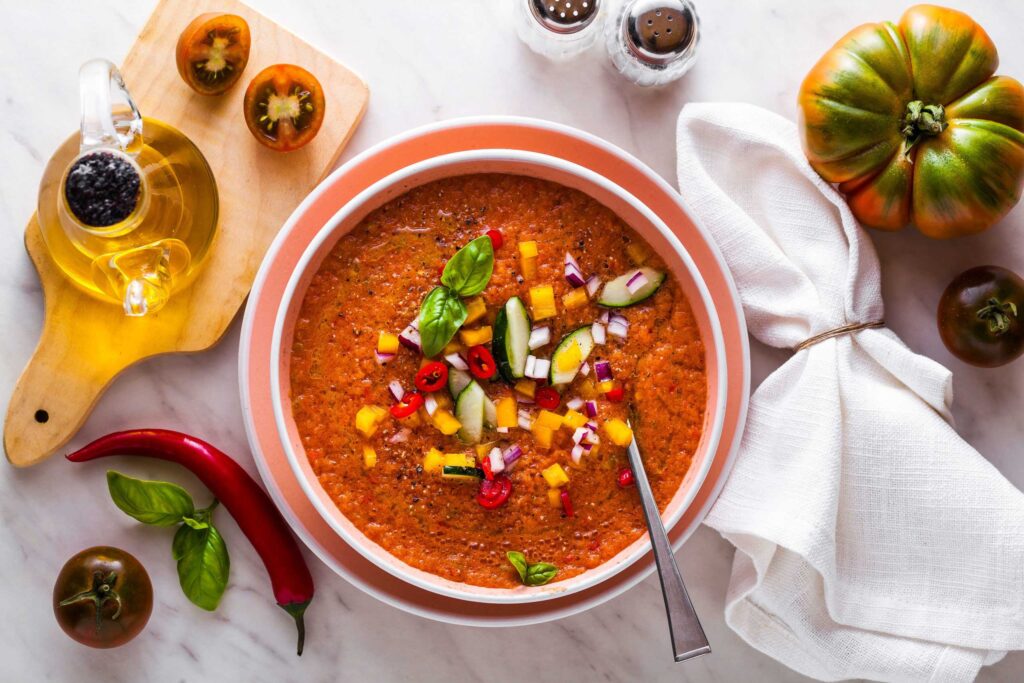
When most people think of cold soups they think of the Spanish classic gazpacho, a cold tomato puree. Gazpacho is a southern Spanish and Portuguese classic that includes pureed tomatoes, cucumbers, bell peppers, olive oil and wine vinegar. It is thickened with stale bread and finished with a little smoked sweet paprika for some depth to balance out the fresh bright vegetables. This is a summer staple on menus and family tables all over the world and is a celebration of the summer’s vegetable bounty while also being refreshing and full of flavor. Summer soups don’t stop with gazpacho though, let’s take a look at some other regions and how they keep cool while enjoying a bowl of soup.
In Mexico, during the hot summer months, they take advantage of the immense number of avocados they have and make an avocado soup that is bright, spicy and full of flavor. It starts with a cold stock made from vegetables, water, lime juice, lemon juice, salt and pepper. From there it gets blended with ripe avocados, onions, garlic, hot sauce, cilantro and cumin. This is widely enjoyed throughout the country and is a classic.

In Eastern Europe, borscht is a dish that is served both hot and cold; personally, I prefer the cold version. Rather than using beef or meat-based stocks to make the base, cold borscht uses a stock made from cooked and pureed beets and sour cream or yogurt; this is known as a beet sour. This distinctive pink broth is chilled then seasoned with dill, salt and pepper. Garnishes for the soup include diced cucumber, radish, minced green onions and hardboiled eggs, and on some occasions, you may even find chopped ham, crawfish tails or minced veal.
Fruit-based soups are very popular and have been for years. Making use of local fruits or even seasonal fruits that are grown all over the world and transformed into soups has been done for years. Cantaloupe, honeydews, and other melons have been the source for warm weather soups in many variations, whether it’s just a strained puree of the fruit with some fresh herbs or the addition of brandy, schnapps and different elixirs. Berry-based soups with some dairy in the form of kefir, sour creams and even buttermilk have been popular in European countries for a long time and continue to be a refreshing way to start a meal on a hot summer day.
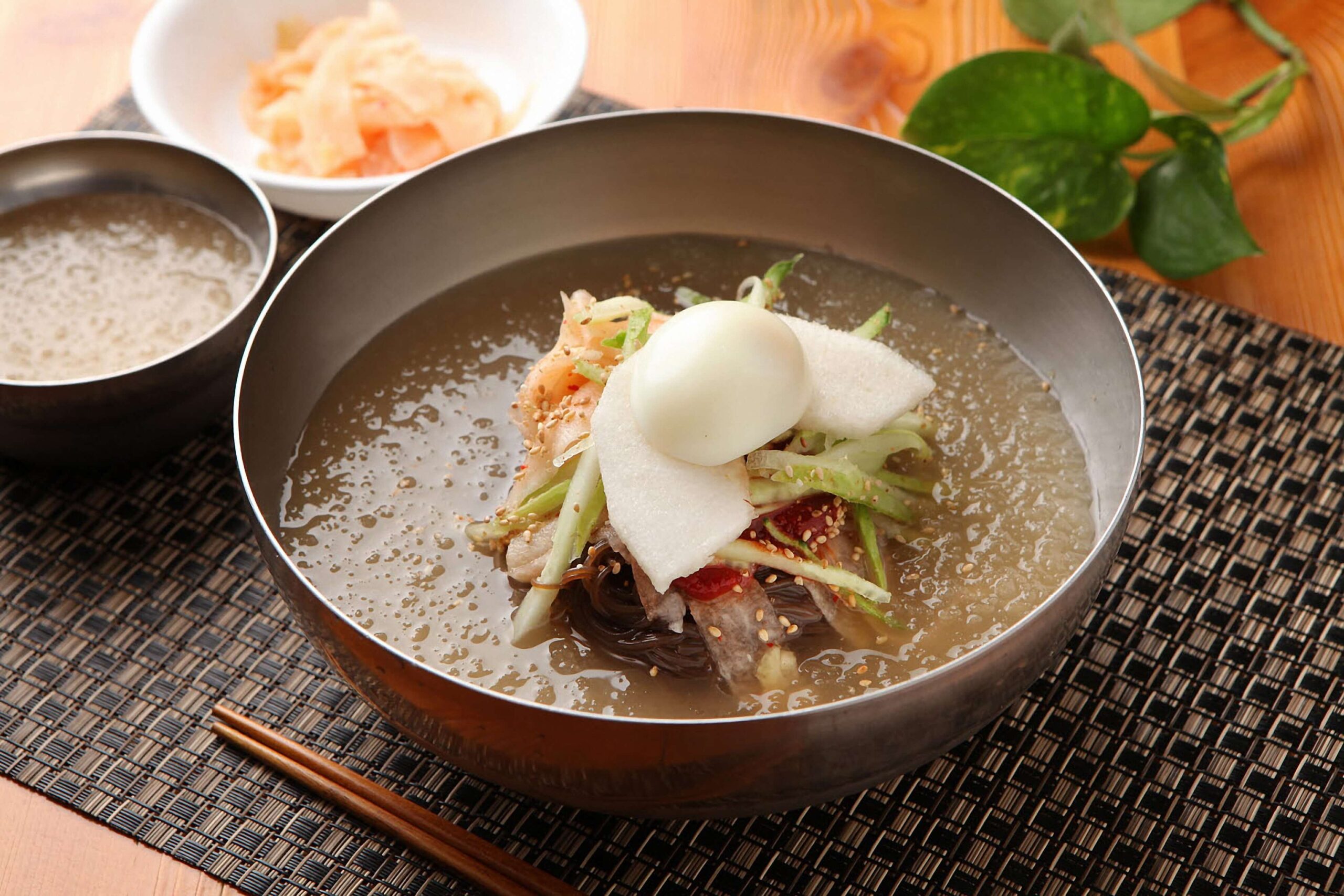 One of the more unusual cold soups that I have found is the Korean noodle soup naengmyeon. The soup consists of noodles that are starch-based from either a variety of potatoes, arrowroot or even buckwheat and a broth that is cold and generally beef based. This is then served with cucumbers, Korean pear and pickled radish, all julienned with uncut noodles to symbolize long life and good health. The soup would be finished with vinegar and a spicy sauce or dressing made from either mustard oil or gochujang paste. The fact that it uses a cold beef-based broth with a spicy dressing makes this an interesting summer soup.
Sorrel soup, or green borscht as it’s sometimes called, is a unique summer soup; it has roots in Russian, Ukrainian, French and Scottish cuisines, and there are many variations. For the Eastern European version, you would wilt your sorrel in a vegetable-based stock, blend the sorrel until smooth and finish off with some diced potatoes, celery root or carrots. It’s a bright, fresh soup with a bit of acidity from the sorrel and some body from the root vegetables it’s finished with. For a richer option, try the French version of the soup which adds sour cream for richness. The Scottish version is generally served warm but there are recipes out there for a cold version which includes pureeing the sorrel and stock with cooked onions and fresh ripe tomatoes, giving you a ripe fresh flavor from the sweet tomatoes and acidic sorrel.
Vichy, or vichyssoise as it is properly known as, is a cooked but cold potato and leek soup of which its origins are a mystery. Some culinary historians claim it was an accidental discovery by Louis XV of France; he was so afraid of being poisoned that he had servants taste it repeatedly, and by the time it got to him it was cold. He liked it so much that it just became a cold soup. The other version of the story is that Julia Child called it an American invention, and it was created in the U.S., inspired by a soup from Vichy, France. Yet another story is that it was created by Chef Louis Diat of the Ritz Carlton in NYC in 1917. He created it based on the potato leek soups his mother would make, and he would cool off by pouring milk into it. No matter the backstory, the soup is a simple but delicious combination of potatoes, leeks, onions, chicken stock and heavy cream. Clean and simple flavors that get right to the point and soothe the soul.
 Coconut soups are wildly popular across the world whether it’s a Thai cold coconut soup, a cold coconut corn chowder, a cold coconut crab soup, or an English coconut and cucumber soup. You can find coconut soups in just about every region around the world. A favorite of mine is a mix of a corn and crab chowder and coconut soup – taking corn cobs and steeping them in coconut milk to infuse the sweet corn flavor, adding crab shells and fat to the coconut milk to add the sweet natural crab flavor into the milk and then straining everything out of the broth leaving a luscious sweet creamy base to add roasted corn and crabmeat back into. It is finished with a bit of lime juice, some fresh chopped herbs and a bit of hot sauce. Another one I keep in the arsenal is a Thai lemongrass, carrot and coconut soup that steeps lime leaf, lemongrass and ginger in coconut milk, then blends it before straining. This base is then with carrots to help thicken before blending again then finished with lime, cilantro, minced hot chilies, and chopped green onion. This spicy, refreshing light soup is something we love to eat with a quick stir fry or as a meal on its own with a salad on the side.
No matter where you are from, what you like to eat or your favorite flavor profiles there is a cold soup that can satisfy your summertime cravings. At Fuchs North America, we can assist you in developing a memorable soup – cold or hot – or soup-inspired flavor profile. Contact us to see how we can help you create something special.